Recycling and Sustainability — Office Clear London
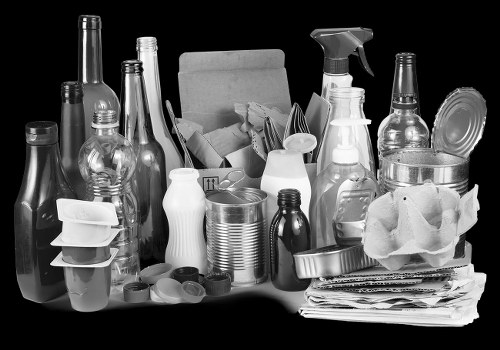
Welcome to the sustainability statement from Office Clear London. Our approach combines practical waste diversion with active community partnerships to reduce carbon and maximise reuse. We believe that every office, whether in a west London high-rise or an east London co‑working space, can contribute to a circular economy. Our programmes focus on source separation, reuse of furniture and equipment, and measured reductions in transport emissions. The following pages explain targets, local transfer station links, charity partnerships and our low‑carbon delivery fleet.Our commitment in numbers: we set an ambitious target to recycle and reuse 75% of all office waste by 2028. This target covers paper, card, mixed plastics, glass, WEEE (waste electrical and electronic equipment), and office furniture. We measure progress through monthly reporting and independent audits, and we publish diversion rates to clients on request. Progress is driven by practical collections and a rigorous sort-to-source ethos.
Local transfer stations and material routes
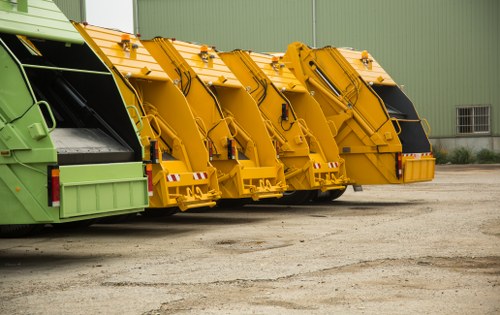
Office Clear teams route segregated materials to local transfer stations and Materials Recovery Facilities (MRFs) across London to keep journeys short and emissions low. We regularly use municipal hubs and commercial transfer points serving the north, south and central boroughs — for example, flows via Edmonton EcoPark and south London transfer hubs — and then onward to specialist processors. Borough-level approaches vary: some boroughs insist on pre-separated recycling streams while others accept co-mingled collections that are sorted at nearby MRFs. We design collection schedules to match local authority systems and reduce cross-borough vehicle miles.Working with charities and reuse partners is central to our model. Rather than consigning all office waste to recycling, we prioritise repair, refurbishment and redistribution. We partner with local furniture reuse charities, IT refurbishers, arts and training social enterprises, and clothing and surplus providers so that desks, chairs, monitors and functional laptops get a second life. Types of diversion include:
- Reuse and redistribution of office furniture and fit-out elements.
- Refurbishment of IT equipment for community projects.
- Donation pathways for surplus stationary, fabrics and signage.
Low-carbon collection fleet and route optimisation
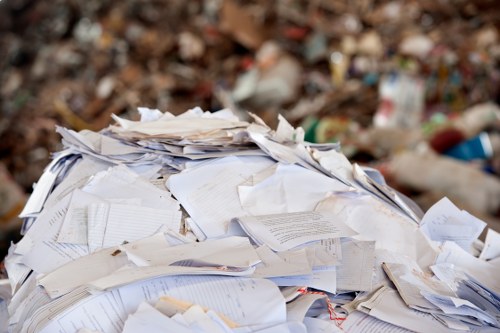
Our delivery and collection fleet is transitioning to low-carbon vehicles: electric vans, plug-in hybrids and, where appropriate, Euro6 low-emission trucks. We operate a growing number of EVs for inner‑London collections and use intelligent route planning to reduce total mileage and idle time. Vehicle choices include compact electric vans for dense urban streets and larger low‑emission units for bulk collections, all maintained to strict servicing schedules. Reduced fuel consumption and lower tailpipe emissions are a direct way we cut our operational carbon footprint.Transparency and data are core to delivering the 75% recyclate goal. We perform routine waste audits at client sites to identify contamination rates and opportunities for improved separation. Our reporting differentiates between reused, recycled and residual waste streams so clients can see the real impact of office clearances, on‑site segregation and donation activities. We also support clients with clear signage and bin labelling that reflects borough-specific guidance — for instance, food waste caddies in boroughs that operate separate organic collection schemes, and combined recyclables in areas served by co‑mingled MRF processing.
OfficeClear London tailors collections to the patchwork of London borough waste rules. Some boroughs emphasise source separation of glass and food waste, others accept mixed recyclables destined for mechanical sorting. Our teams are trained to follow local authority requirements and to advise on compliant segregation during clearances and ongoing contracted services. Confidential paper shredding and secure WEEE handling are integrated into our standard workflows.
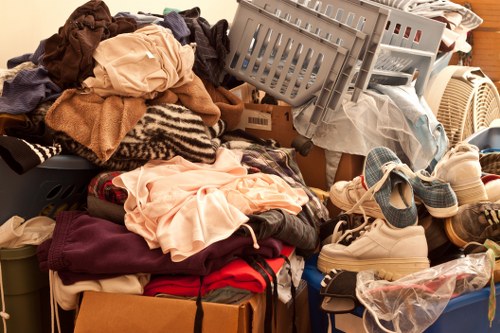 Engagement and behaviour change: achieving sustainable outcomes depends on staff behaviour as well as logistics. We run short induction briefings for facilities teams, provide simple desk-level guidance, and supply clear, colour-coded signage so office users know where to place paper, card, plastics, glass, food and WEEE. Where possible, we collaborate with client sustainability leads to run targeted campaigns — for example, furniture reallocation days or laptop refurbishment drives — that increase reuse rates and reduce disposal volumes.
 Our pledge and next steps: Office Clear remains committed to continual improvement. We will expand our electric fleet, deepen charity partnerships, refine routes to cut carbon and work closely with borough collections systems to maximise recycling performance. We aim to lock in a resilient 75% diversion rate by 2028 and to move steadily beyond that through innovation, partnerships and practical change at site level. If your organisation wants to align office clearances and ongoing waste collections with sustainability goals, we tailor services to fit local regulations and reuse opportunities while keeping carbon low and materials circulating in the economy.